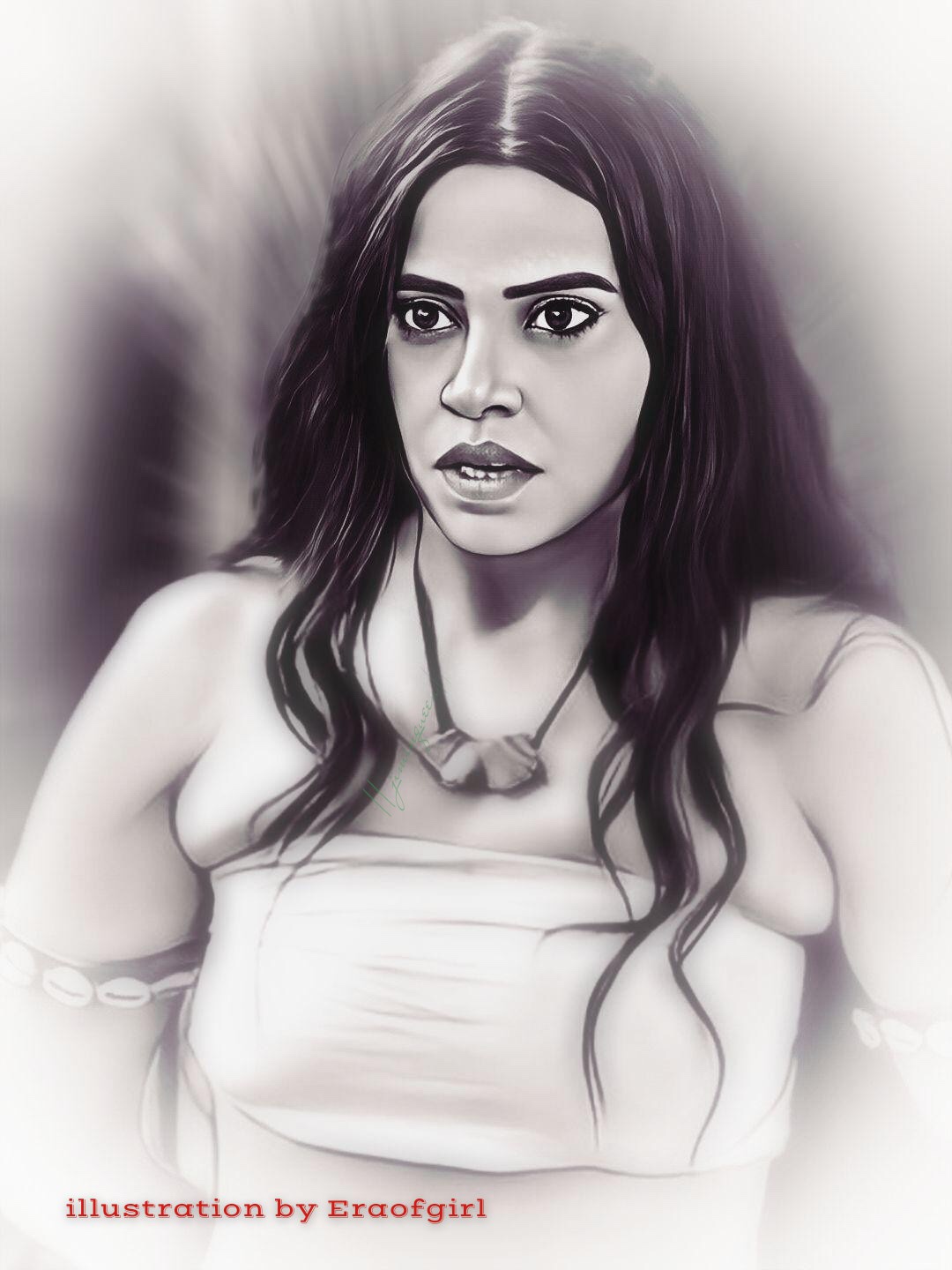
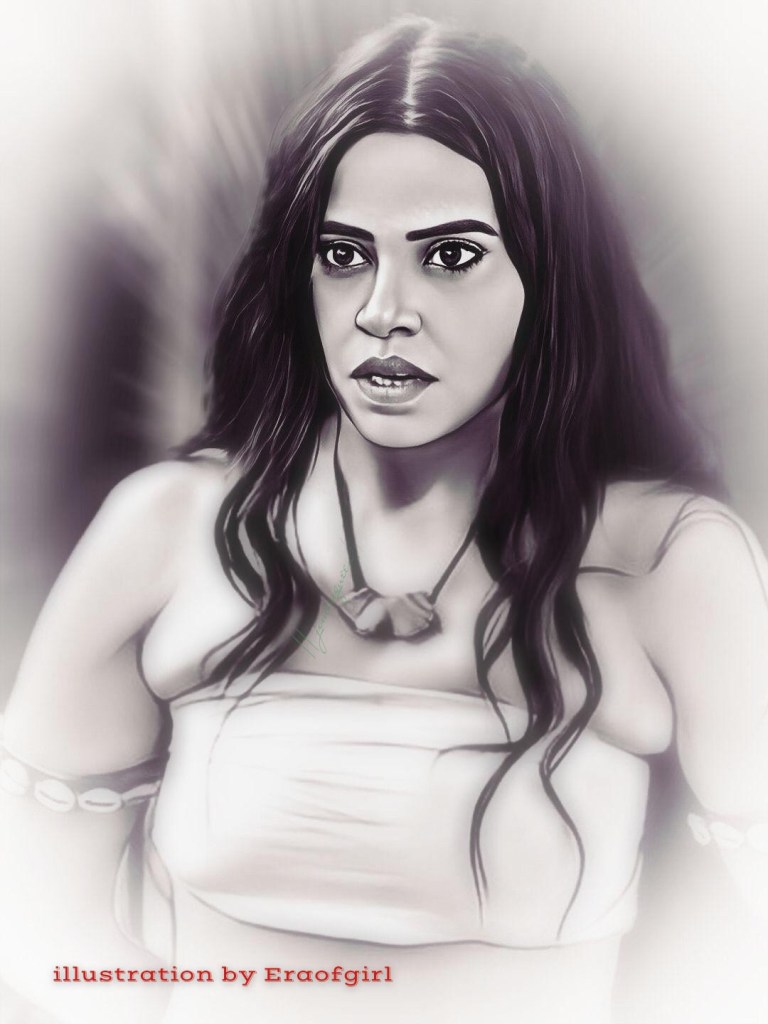
How the caste system prevailed in ancient India?
Low caste and untouchability is not a new issue in India. Religion and caste both have been ancient historical problems that still persist. Men and women of the untouchables suffered from injustice. One of them was the Breast Tax in Kerala. The Kingdom of Travancore has been an infamous reign for the suppression of untouchable women.
Covering the body is a part of human civilization. The untouchable women of Travancore were enforced breast tax for covering their breasts.
Caste System and Breast Tax
The Hindu religion has its four branches Brahmin, Kshatriya, Vaishya, and Shudra. It is also called the class system(Varn Vyavastha)in India.
Brahman is thought to be at the top of all the classes they are the masterclasses who take part in every Hindu ritual.
Kshatriya is thought to be the marshall class.
Vaishya is thought to be the business class.
Shudras are at the bottom of this class system of India.
They are thought to be born for serving all three. They are untouchable(If someone touches them by mistake then he has to have a bath, it is sin), they did not have any privilege to live.
You can consider them as slaves in the Past. The biggest irony is, this class system still persisted in India.
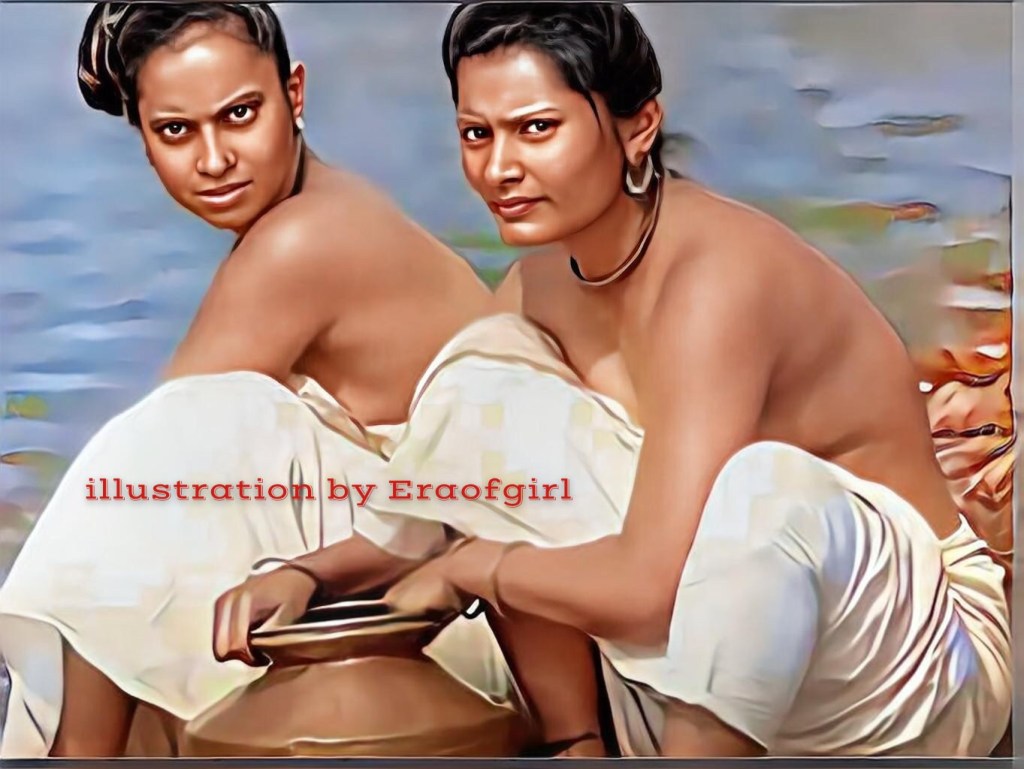
Among the Shudra caste, the untouchables are spread in different parts of India. But the Breast tax was in the southern part of India.
Those women who wanted to cover their breasts had to pay tax. No respect was for them, mostly they were granted as undesirable humans in the Hindu society. During the 1800s this tax was levied on women in the Kingdom of Travancore.
The reason to enforce such a strange tax was to maintain the status. Pride and ego were always hidden within the castes. Therefore the upper-class women were allowed to cover their bodies properly. The low caste suffering from poverty was pushed to such inhumanity.
When their women had to move around lacking respect in society.
Harshness from the upper-class people was all the time covering their bodies. But it was not done until the 1800s when an untouchable, Nadar woman converted to Christianity. There are two reasons that people preferred to convert their religion from Hinduism.
The dominance of the Brahmins became unbearable for the societies. When they pulled down others from education, financial status, and liberty in society. Somehow or other, they found out one way or another to keep themselves at the top of society.
Conversion to Christianity gave them the liberty to stabilize themselves in society. They had a scope to educate, earn money and establish themselves in society. Nadar women converted to Christianity to cover their breasts.
Channar Revolt during 1813 and 1859
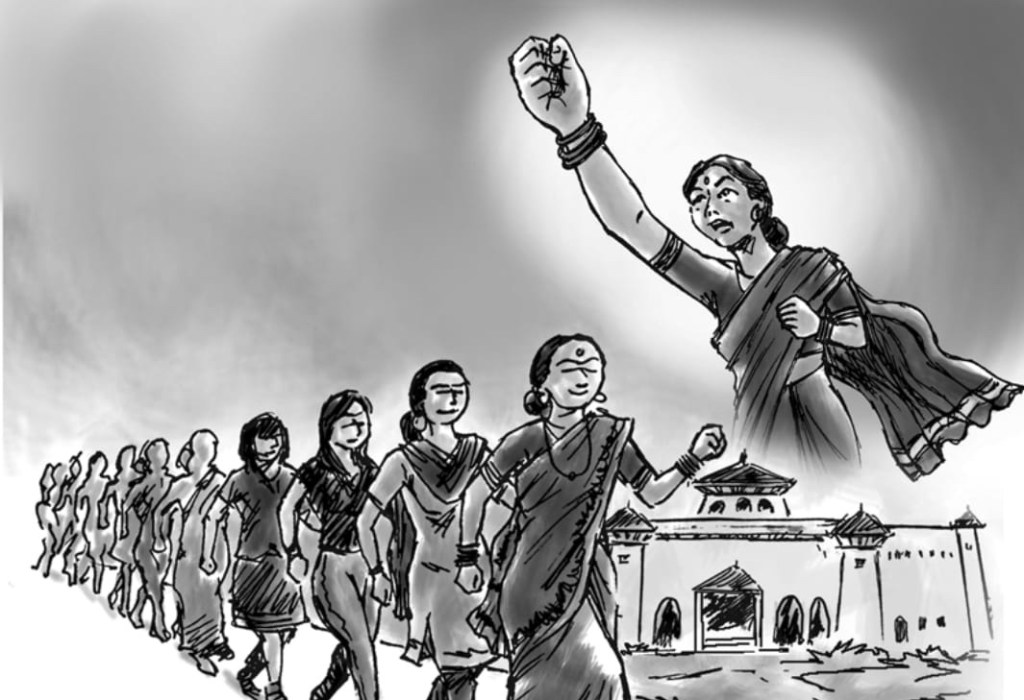
The extremities of the untouchables protest took place during 1813 that lasted till 1859. Being undressed means the women had to face tortures and rapes from the upper classes. Both men and women were not allowed to cover the upper part. If so they had to pay the tax.
Revolution took place. There were violence and bloodshed among Nadar and the Christian community. The revolution intensified till 1859. The Madras Governor Charles Trevelyan ordered the Kingdom of Travancore to allow covering the upper bodies.
The problem of varnas has been a never-ending issue in India. But by 1891, about 24000 Nadar people were given the status of Kshatriyas. Due to the severe caste issues, the Christian community in the south have suffered as a part of the Channer revolt. The disrespect for the lower caste grew as a flame during the revolution.
Upper caste and the right to cover the upper part
It was an unbiased gender covering the parts of the body. The untouchables men and women did not cover the upper body. As the upper caste believed that covering the chest portion is for them.
Kerala was entirely shaken after the revolution that took place in the Channar revolt. Covering the upper body needed taxes, so whoever wanted to cover from the lower caste had to pay tax. But suffering from poverty it has always been a difficult task to pay tax only to cover their upper part.
On another hand, for the Brahmins, it was one of the weird ways to earn revenue from poor people.
Nangeli her protest against the breast tax
Mulakaram, the breast tax was enforced on women and it was collected by the authority from door to door. But those who were not able to pay had to face issues that are not hidden.
Abuses and harassment are common for low castes and untouchables. It was one of the reasons that Nangeli from the Ezhava caste revolted against the Mulakaram.
Men did not have problems of not covering their upper body but not like women. According to the brahmins, cutting off the breast was against their religion. It is considered a sin to cut the breast of a human, this is one of the reasons that the tax was levied. But in both cases, the hierarchy was for the Brahmins.
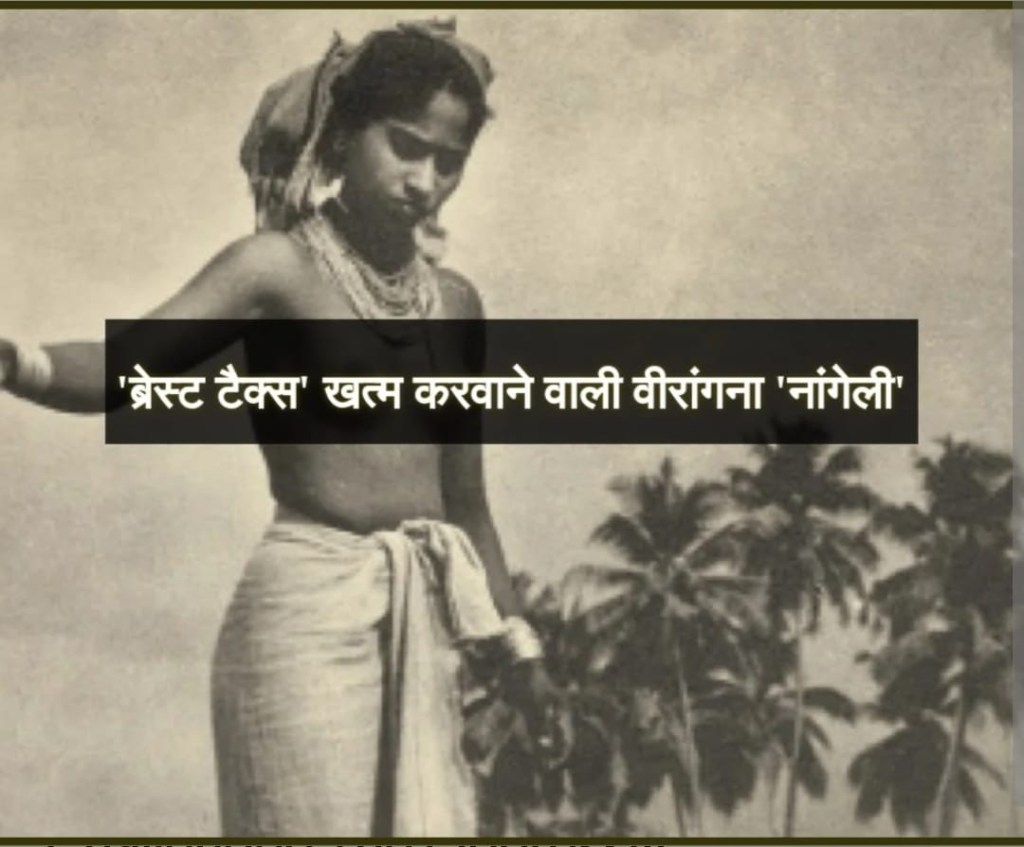
Nangeli being a lower caste woman rebelled by cutting off her breast. It was a powerful protest which immediately acquired a strong response. She died due to blood flow and her husband committed suicide by jumping in the funeral pyre.
After her death, this had shattered the people of lower caste women. Slowly it intensified when women from other parts of the kingdom started refusing to pay taxes.
Nangeli was an inspiration of power and strength, her death was in Mulachiparambu. It means the land of women’s breasts. As the entire mishap was against brahmin castes the tax was immediately abolished.
Revolution for The Change-
Following the death of Nangeli, it turned into a revolution. But according to some evidence, it is also known that it was a murder. As she denied paying the tax, the caste dominating had killed her after sexually harassing her. Before killing, they chopped off the breast of Nangeli with a sword.
Whatever may be the reason for her death, it had brought a new light to the Avars. Discrimination is extended to not only castes but also genders. Women have been facing discrimination against men, dominating castes, and society for centuries.
Poverty and bias gender to caste problems have drawn several issues. Each time women had to revolt to gain their rights to survive as a human.
After Nangeli’s death breast tax became an outlaw. But millions of women had suffered a lot from the illegal levied tax of the Kingdom of Travancore.
मूलाकरम, महिलाओं पर स्तन कर लागू किया गया था और इसे प्राधिकरण द्वारा घर-घर जाकर एकत्र किया जाता था। लेकिन जो भुगतान करने में सक्षम नहीं थे, उन्हें ऐसी दिक्कतों का सामना करना पड़ा, जो छिपी नहीं हैं।
नीची जातियों और अछूतों के लिए गालियाँ और उत्पीड़न आम बात है। यह एक कारण था कि एझावा जाति के नांगेली ने मुलाकरम के खिलाफ विद्रोह किया।
पुरुषों को अपने शरीर का ऊपरी हिस्सा न ढकने की समस्या नहीं थी लेकिन महिलाओं की तरह नहीं। ब्राह्मणों के अनुसार स्तन काटना उनके धर्म के विरुद्ध था। मनुष्य के स्तन को काटना पाप माना जाता है, यह कर लगाने के कारणों में से एक है। लेकिन दोनों ही मामलों में पदानुक्रम ब्राह्मणों के लिए था।
नंगेली एक निचली जाति की महिला होने के कारण अपने स्तन काट कर विद्रोह कर दिया। यह एक शक्तिशाली विरोध था जिसने तुरंत एक मजबूत प्रतिक्रिया प्राप्त की। खून बहने के कारण उसकी मृत्यु हो गई और उसके पति ने चिता में कूद कर आत्महत्या कर ली।
उनकी मृत्यु के बाद, इसने निचली जाति की महिलाओं के लोगों को झकझोर कर रख दिया था। धीरे-धीरे यह तेज हो गया जब राज्य के अन्य हिस्सों की महिलाओं ने कर देने से इनकार करना शुरू कर दिया।
नांगेली शक्ति और सामर्थ्य की प्रेरणा थीं, उनकी मृत्यु मुलाचिपराम्बु में हुई थी। इसका अर्थ है महिलाओं के स्तनों कीभूमि। चूंकि पूरी दुर्घटना ब्राह्मण जातियों के खिलाफ थी, कर को तुरंत समाप्त कर दिया गया था।
Thanks for reading my blog.
Please share the blog and drop your comments or feedback.
Pooja P-@eraofgirl
Email- poojadxb9@gmail.com










 EraofGirl